
Just when businesses thought ransomware threats had become less frequent, they are making a strong comeback, and the latest versions are far more sophisticated. Modern ransomware not only encrypts data on a single computer but also spreads across networks and targets backup systems, making it more dangerous than ever.
What Is Ransomware?
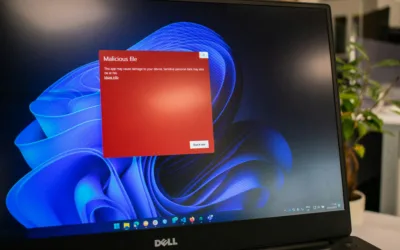
Ransomware is a type of malicious software that locks access to your data and demands a ransom for its release. Early versions mostly affected individual computers, but today’s attacks can:
- Encrypt files on multiple devices across your network
- Target local and cloud backups
- Exploit weak passwords or outdated security software
Even organisations you would expect to be highly secure, including police departments and government agencies, have fallen victim, sometimes paying significant sums to recover their data.
Immediate Steps to Take If You Suspect an Attack
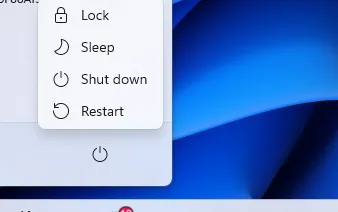
- Shut down all computers and devices immediately to prevent further spread.
- Do not pay the ransom. Paying encourages attackers and offers no guarantee your files will be restored.
- Contact your IT support or cybersecurity team immediately for guidance on containment and recovery.
Backup Strategies to Protect Your Data
A reliable backup system is essential. Consider the following:
- Offline backups: Keep daily backups on an external drive that is disconnected from your network when not in use.
- Cloud backups: Ensure cloud solutions support versioning so you can restore previous versions of files. Services like Dropbox or OneDrive retain historical versions that may allow recovery if ransomware encrypts recent files.
- Regular testing: Periodically test your backup system to confirm that data can be restored quickly in case of emergency.
Protecting Your IT Systems from Future Attacks
Preventative measures are crucial to stop ransomware before it strikes:
- Keep software updated: Regularly update operating systems, applications, and security software.
- Use strong passwords and MFA: Multi-factor authentication adds an extra layer of protection.
- Train staff: Educate employees about phishing emails and suspicious downloads, which remain the most common infection routes.
- Segment networks: Limiting the spread of ransomware between devices can minimise damage.
The Bottom Line
Ransomware in 2026 is smarter and more aggressive than ever. Businesses can no longer rely on outdated protection methods. Regular, secure backups combined with robust cybersecurity practices are essential to ensure your data remains safe.
Talk to your IT support today to implement the right strategies and protect your business from potential disaster.

0 Comments