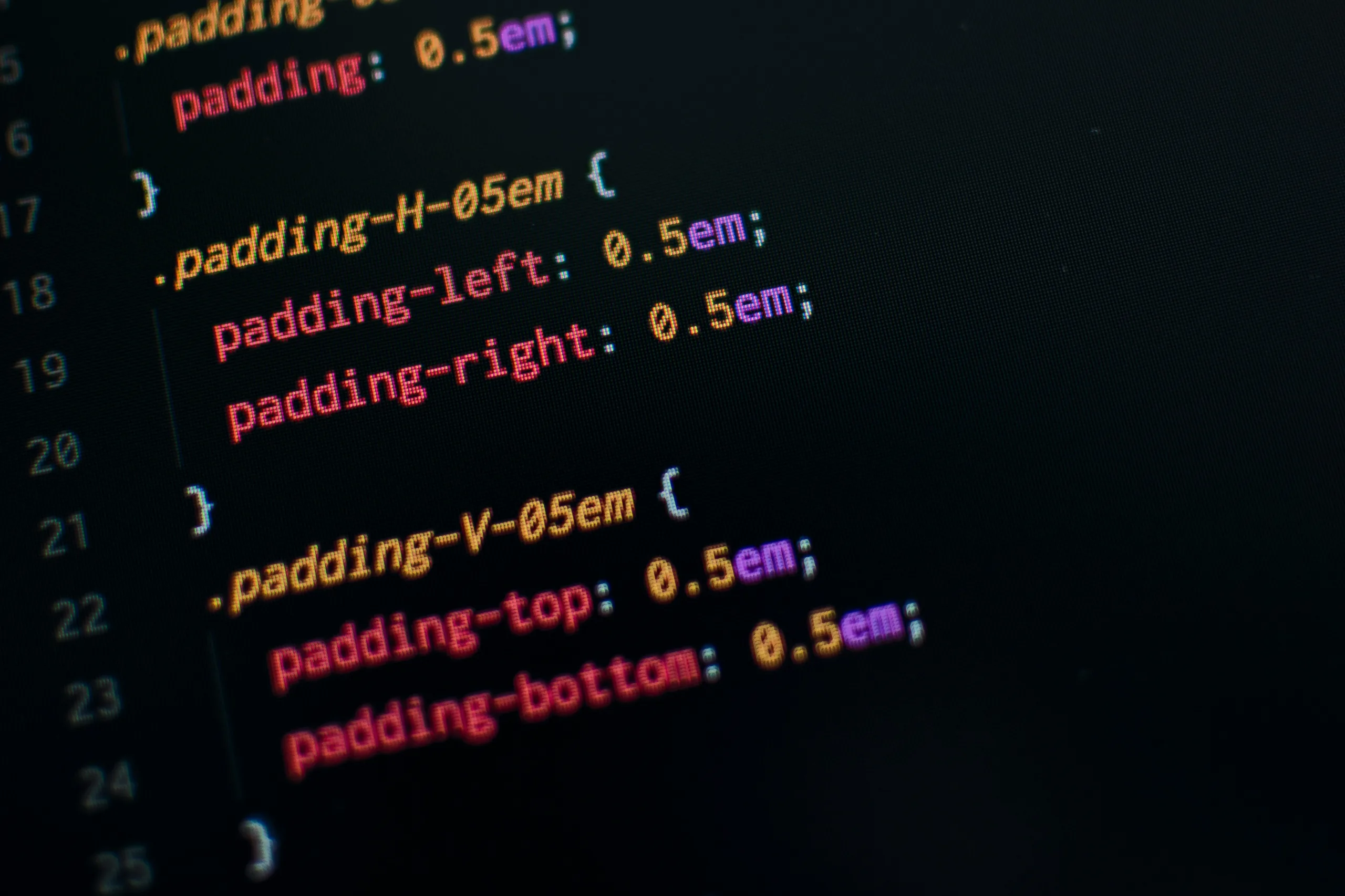

When web designers talk about CSS, many business owners feel lost. But it’s actually easier to understand than it sounds.
CSS stands for Cascading Style Sheets, and it’s essentially the wardrobe for your website. While the underlying website (HTML) is the skeleton, CSS dresses it up with:
-
Colours and backgrounds – giving your website a consistent and professional look.
-
Fonts for headings and body text – making your content readable and appealing.
-
Layout and positioning of elements – controlling where images, text boxes, buttons, and menus appear.
Without CSS, your website would look plain, clunky, and unprofessional. CSS ensures your site is visually appealing, easy to read, and user-friendly, which helps retain visitors and encourages them to engage with your content.
How CSS Impacts User Experience
A website isn’t just about looking good, it’s about how visitors interact with it. CSS can:
-
Make your site mobile-friendly, so it looks great on tablets and phones.
-
Highlight important information, like headings, buttons, and calls to action.
-
Improve loading speed, since CSS controls styling without relying on multiple images or complex layouts.
-
Create consistent branding, helping visitors instantly recognise your business through colours, fonts, and design style.
A site that’s attractive and easy to navigate keeps visitors engaged longer, which boosts your SEO. Even though Google doesn’t read the styles themselves, it rewards websites that provide a better user experience.
Examples of CSS in Action
-
Before CSS:
A basic page with black text on a white background, all the same font, and no spacing. Visitors may leave quickly because it looks outdated. -
After CSS:
-
A branded header with your logo and company colours
-
Clear headings in bold fonts
-
Buttons that stand out and invite clicks
-
Well-spaced content for easier reading
Even small CSS changes, like adjusting font size or button colour, can significantly improve readability and engagement.
Why Small Businesses Should Care About CSS
You don’t need to become a web designer, but understanding CSS can help you:
-
Work more effectively with developers or designers
-
Ensure your website looks professional on all devices
-
Improve the way visitors experience your content
-
Indirectly boost search engine ranking by reducing bounce rates
CSS is one of those behind-the-scenes tools that makes a big difference without being obvious, like the polish on a luxury product.
Conclusion
CSS isn’t just for techies. It’s a fundamental part of website design that helps your site look professional, function smoothly, and keep visitors engaged. Investing in good CSS design, or working with a professional who knows it well, can elevate your website from “basic” to business-ready.


0 Comments