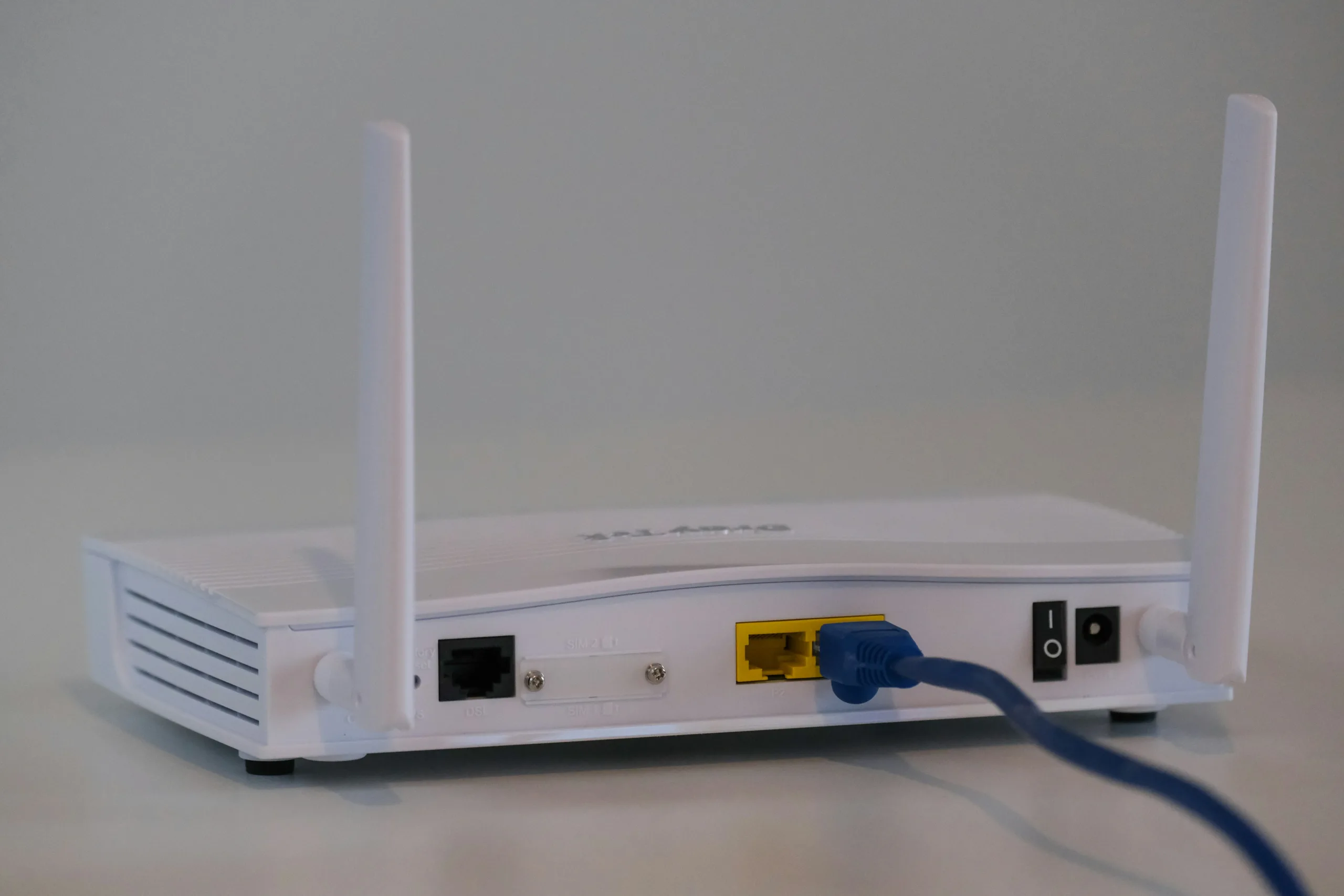

Cloud, AI, and SaaS only work as well as the network beneath them.
Most digital transformation conversations focus on applications, platforms, and tools.
Cloud migrations. AI adoption. Collaboration software. All important, but often missing one critical piece:
Connectivity.
It’s not exciting. It’s not flashy. But it’s the foundation everything else depends on.
The Hidden Cost of Poor Connectivity
When networks aren’t designed properly, businesses experience:
- Sluggish cloud performance
- Dropped VoIP and video calls
- Security exposure from shared connections
- Productivity loss that’s hard to quantify — but very real
What’s often blamed on “the cloud” or “the software” is, in reality, a connectivity problem.
Why “Best Effort” Internet No Longer Works
Traditional broadband was never designed for:
- Real-time collaboration
- Cloud-first operations
- Always-on SaaS platforms
- Distributed or hybrid teams
“Up to” speeds and shared contention might be fine for browsing, but not for running a modern business.
This is where dedicated connectivity, like leased lines, becomes critical.
Leased Lines: Not Just for Enterprises Anymore
Leased lines are often misunderstood as expensive or excessive. In reality, they offer:
- Guaranteed bandwidth (no contention)
- Low latency for cloud and voice services
- SLA-backed uptime
- Improved security through private connectivity
For growing businesses, they’re less about speed — and more about reliability, performance, and control.
Connectivity as a Strategic Decision
Forward-thinking businesses no longer treat connectivity as a utility.
They see it as:
- A performance enabler
- A risk reducer
- A growth foundation
When the network is right, everything else works better.
Final Thought
Digital transformation doesn’t start with software. It starts with the network that supports it.
As we move through 2026, the businesses that win won’t just adopt new technology, they’ll make sure their connectivity is ready for it.
👉 At Via Wire, we believe great technology deserves great connectivity.
How often do you review whether your network still supports your business goals?


0 Comments